Feature
“It’s Truly Something that was Due” JPS Leaders say of Tarrant County Mask Requirement
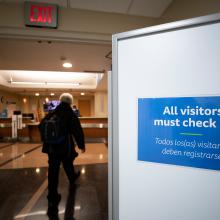
With the number of COVID-19 cases in Tarrant County rising exponentially in recent days, Dr. G. Robert Stephenson said it’s time to take vigilance against the virus to a new level.
Stephenson, Vice President and Chief Quality Officer at JPS Health Network, applauded the decision of county leaders announced Thursday. It legally requires people to wear protective face masks in public, a move that could reverse the disturbing upward trend of COVID-19 cases in the past few weeks. On Thursday, Tarrant County confirmed 517 new infections, up from 460 the day before.
“It’s Critical We Keep the Momentum Going”
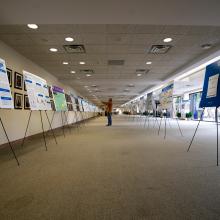
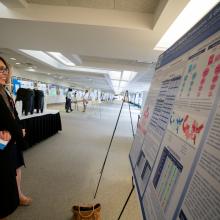
For the last decade, the JPS Health Network Research Symposium has grown in size and depth every year.
Melissa Acosta, Ph.D., Director of the Office of Clinical Research at the health network, said organizers and participants weren’t about to let current social distancing standards due to COVID-19 disrupt that positive momentum. The June 5, 2020 edition of the symposium, which will focus on healthcare inequities and how to eliminate them, will go online. It’s a move she hopes will pave the way for even more growth in the future.
Healed Completely – Reconstructive Surgery and Wound Care
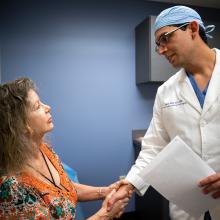
When a patient emerges from emergency trauma surgery, stabilized, it's an important milestone in their recovery. But it's not the end of their journey. It's the same for a person who gets to ring the bell in the Oncology and Infusion Center after winning their fight against breast cancer.
In many cases, the patient's recovery isn't complete until their body is restored to looking as much as possible like it did before their health emergency began. Sometimes, the operation to save the patient's life is just the beginning of the healing process.
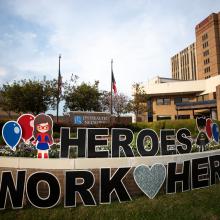
The Heroes of COVID-19
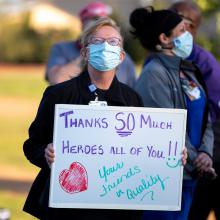
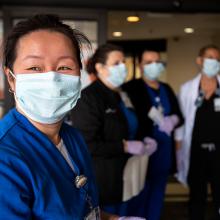
It’s the faces of skilled doctors and nurses that patients see when they’re in the hospital. But it takes a whole team of people working as one – many of them behind the scenes -- to win the fight against COVID-19.
No matter what department they’re from or how long they have worked there, team members from across the JPS Health Network have pitched in during this these unusual times. Why? Because their patients and their community need them.
From the Minds of JPS: Respiratory Therapy Idea Makes COVID-19 Battle Safer for Caregivers

A simple suggestion from a JPS Health Network leader has made the fight against COVID-19 safer for healthcare workers across the country and around the world.
Faced with a unique challenge a few weeks ago, Jim Graves, Executive Director of Respiratory Care at JPS Health Network, received inspiration from an unexpected source: the little Bluetooth speaker that sits on his desk.